
The night before bariatric surgery abroad is not the time to realise your passport is in yesterday’s coat, your blood test results are still on your phone, and your loose post-op clothes are in the wash. A well-planned trip can make the whole experience feel calmer, safer and more manageable, which is exactly why the best bariatric travel checklist matters.
For most patients, the hardest part is not just the surgery itself. It is the build-up – the paperwork, the packing, the questions about flying, the worry about what recovery will feel like in a hotel, and the pressure of getting everything right in a different country. Good planning reduces that pressure. It also gives your clinical team clearer information and helps you focus on what actually matters: arriving prepared, having your procedure safely, and returning home with fewer avoidable problems.
What the best bariatric travel checklist should cover
A useful checklist does more than tell you to bring a toothbrush and phone charger. It should cover your medical documents, practical travel essentials, post-operative comfort, and the small details that are easy to overlook when nerves are running high.
The best bariatric travel checklist also needs to be realistic. What you pack depends on your procedure, your airline, whether you are travelling alone or with a companion, and how long you are staying. Someone having a gastric balloon may need a slightly different plan from someone travelling for a gastric sleeve or revisional surgery. Your coordinator or surgeon’s team should always have the final say on anything clinical.
Start with documents and medical information
Keep your important paperwork together in one small folder or travel wallet, with digital copies saved on your phone as a backup. You will want your passport, flight details, accommodation information, transfer arrangements and travel insurance documents if applicable. If your provider has asked for previous medical notes, investigation results or a medication list, keep those easy to access rather than buried in checked luggage.
Your medication list should be current and clear. Include the name, dose and how often you take each medicine. If you use a CPAP machine for sleep apnoea, bring details of your settings and mention this well before you travel. The same applies if you have diabetes, a history of blood clots, previous abdominal surgery or any significant heart or lung condition. These details shape how your team plans your care.
It is also wise to keep emergency contact details written down, not just saved in your phone. If your battery dies or your device cannot connect, paper still helps.
Pack for recovery, not just for the journey
Patients often overpack for sightseeing and underpack for comfort. After bariatric surgery, comfort tends to win. Loose clothing that is easy to pull on and off will usually serve you better than fitted outfits. Soft waistbands, front-opening tops and supportive but comfortable underwear are more useful than anything restrictive.
Slip-on shoes can be especially helpful. Bending may feel uncomfortable in the first days after surgery, and you will be encouraged to get up and walk. Choose footwear that is stable, easy to put on and suitable for short walks around the hospital or hotel.
A light dressing gown, lip balm and a small pillow for the flight home can make more difference than people expect. Dry cabin air, long waits and tenderness around the abdomen can make simple comfort items feel essential. Some patients also find a neck pillow helpful, although that comes down to personal preference.
The post-op essentials many patients forget
This is where the practical side really counts. The first days after surgery are usually about hydration, rest, gentle movement and following your team’s dietary instructions very closely. That means your bag should support recovery rather than work against it.
Bring any approved protein products or supplements only if your provider has advised it. Rules differ between clinics and procedures, and you do not want to rely on assumptions. A refillable water bottle can be useful once you are allowed to sip fluids, but confirm local guidance on what and when to drink.
It also helps to pack toiletries in travel sizes and keep them simple. Strong fragrances and heavy products can feel unpleasant after surgery. Face wipes, a soft toothbrush and basic toiletries are usually enough.
If you wear compression stockings and your team has advised you to use them for travel, pack them in your hand luggage. Do not put anything medically important in the hold if you may need it before or immediately after landing.
Flying after bariatric surgery
One of the biggest concerns patients have is the flight home. That concern is reasonable. Timing matters, and it depends on your procedure, your recovery and your surgeon’s advice. You should never book return travel based only on convenience or price. Medical clearance comes first.
When you are fit to fly, the journey is usually more comfortable if you think ahead. Choose loose clothing for the return flight and keep your essentials in a cabin bag that is easy to lift or ideally does not need lifting at all. If you are travelling with someone, ask them to manage the heavier luggage. If you are travelling alone, request help from airport assistance services in advance.
Walking during the journey, when appropriate and safe, can help circulation. So can staying on top of your post-op guidance around hydration. But there is a balance here. Every patient is different, and airline travel should fit your medical instructions, not generic internet advice.
Your hand luggage matters more than usual
For bariatric travel, your cabin bag is not an afterthought. It should contain everything you would need if your checked case were delayed, plus the items you are most likely to use during the journey.
That usually includes your passport, phone charger, medical papers, regular medications, any surgeon-approved post-op essentials, lip balm, tissues, a small pillow, a light layer in case the cabin is cold, and comfortable socks. If you are using prescribed injections or specific medication after surgery, keep them exactly as instructed and never pack them somewhere inaccessible.
A change of clothes is worth considering too. Delays happen, and after surgery you want options, not extra stress.
Planning for support on the ground
Even confident travellers can feel vulnerable when surgery is involved. That is why logistics matter so much. Knowing who is collecting you from the airport, where you are staying, when your tests are booked, and who to contact with questions can reduce a huge amount of anxiety.
For patients travelling to Turkey for treatment, this support often shapes the whole experience. A well-coordinated schedule with transfers, pre-op testing, hospital admission and follow-up check-ins means fewer decisions to make when you are already carrying enough mentally. If you have a companion with you, make sure they know the plan too. They do not need every clinical detail, but they should know where to be and who to call.
A practical bariatric travel checklist before you leave home
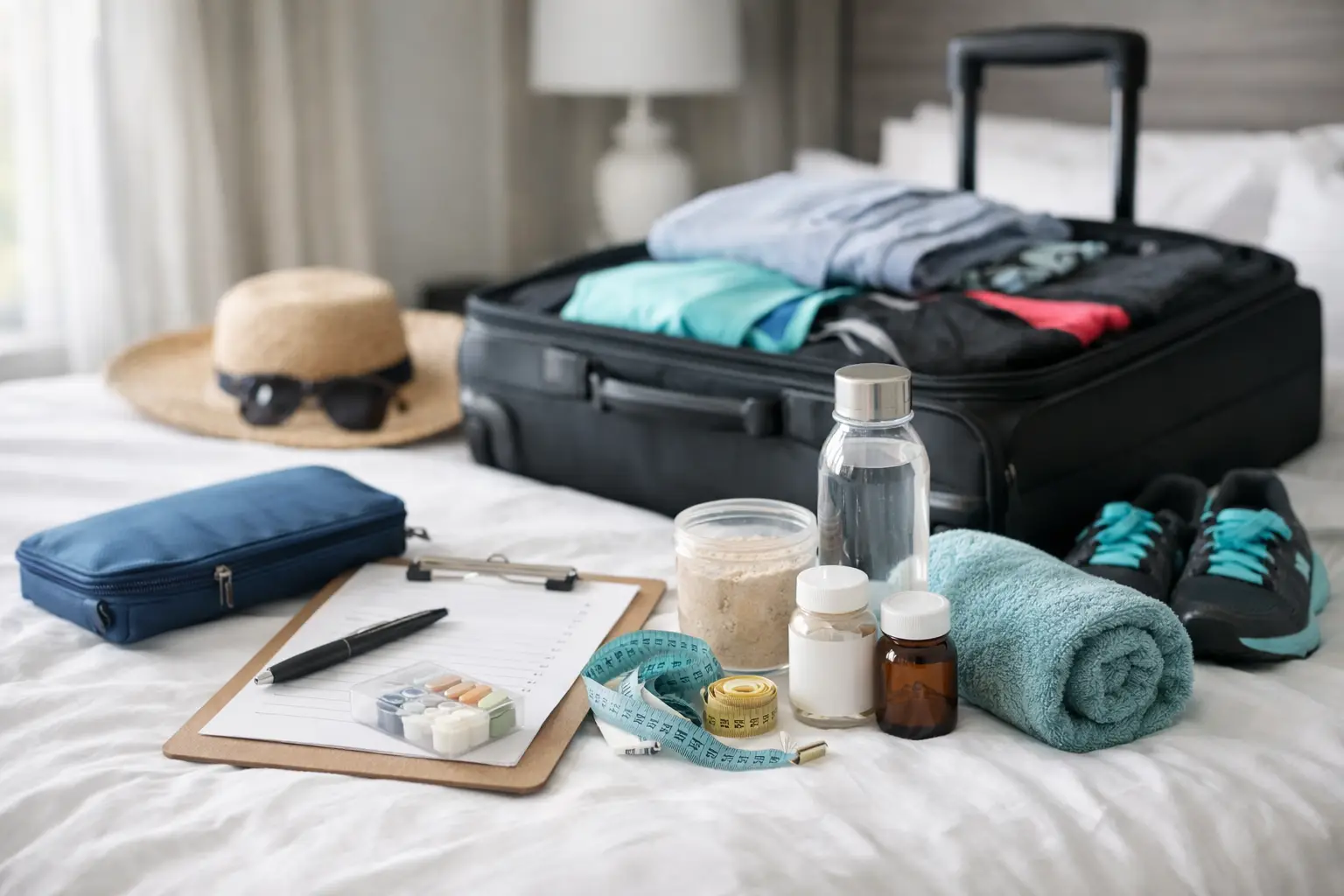
Before you set off, check that you have your passport, travel documents, medication list, regular medicines, comfortable post-op clothes, slip-on shoes, phone charger, any required medical equipment, and a cabin bag packed for delays. Confirm your transfer details, your admission time, and any fasting instructions. If your team has given you a pre-op liver-shrinking diet or medication guidance, follow that precisely rather than improvising.
This is also the time to remove avoidable pressure. Sort child care if needed, set an out-of-office message, and prepare your home for your return. Having a few basics ready at home – appropriate fluids, prescribed supplements if advised, and a comfortable place to rest – makes the first days back much easier.
What not to bring
Heavy cases, tight clothes, valuables you do not need, and large amounts of cash usually create more hassle than help. The same goes for snacks or drinks that are not part of your care plan. After bariatric surgery, your relationship with food and fluids is changing immediately. Bringing “just in case” items that do not match post-op guidance can lead to poor choices when you are tired or uncomfortable.
If you are unsure about vitamins, pain relief, anti-sickness tablets or protein products, ask before you travel. Clear advice is always better than buying things in a rush at the airport.
The checklist is there to reduce fear
A good plan will not remove every nerve. Surgery is a serious decision, and some anxiety is normal. But preparation changes the feeling of the trip. Instead of worrying that you have forgotten something important, you can focus on getting through each stage with proper support.
That is often what patients remember most – not just the operation, but how organised and cared for they felt around it. At Bridge Health Travel, that is why coordinator-led planning matters so much. When travel, testing, hospital scheduling and follow-up are clearly arranged, patients are free to put their energy into recovery rather than administration.
If you are building your own best bariatric travel checklist, keep it simple, keep it practical, and let your clinical team guide the details. The more prepared you are before you leave, the calmer you are likely to feel when it is time to go.