

When you are preparing for bariatric surgery abroad, the person travelling beside you can make the first few days feel far more manageable. Knowing how to arrange companion travel means planning more than a second plane ticket. Your companion needs the right accommodation, a clear idea of the hospital routine, and realistic expectations about how they can support you after surgery.
For many patients, a partner, close family member or trusted friend provides reassurance at exactly the point when nerves are highest. They can help you keep track of instructions, communicate with home, and offer quiet encouragement when you are tired. But companion travel works best when it is organised around your clinical needs, rather than treated as an ordinary city break.
How to arrange companion travel around your surgery dates
Start with your confirmed treatment schedule. Bariatric surgery involves more than the operation itself: there are pre-operative assessments, admission, recovery in hospital, discharge planning and follow-up checks. Your companion should ideally arrive when you do and remain in destination until you have been medically cleared to fly home.
Avoid booking flights too early in the process. Your clinical team or coordinator should first confirm the expected arrival date, hospital admission date, approximate length of stay and suitable departure window. A flight that looks inexpensive can become stressful if it leaves before your final review or requires a difficult overnight journey soon after discharge.
Choose flexible fares where the price difference is reasonable. Changes are uncommon when a trip has been properly planned, but surgery and recovery should never be rushed to fit an airline booking. Check baggage allowances too. You may need room for comfortable, loose clothing, prescribed medication and any paperwork you are asked to carry.
If you are travelling from the UK or Ireland to Antalya, look at flight times as well as flight duration. A late-night arrival is possible, but an earlier arrival can give you and your companion more time to settle into the hotel, eat lightly if permitted, and prepare for the following day. Your coordinator can help ensure airport transfers match your confirmed itinerary.
Choose accommodation that supports recovery
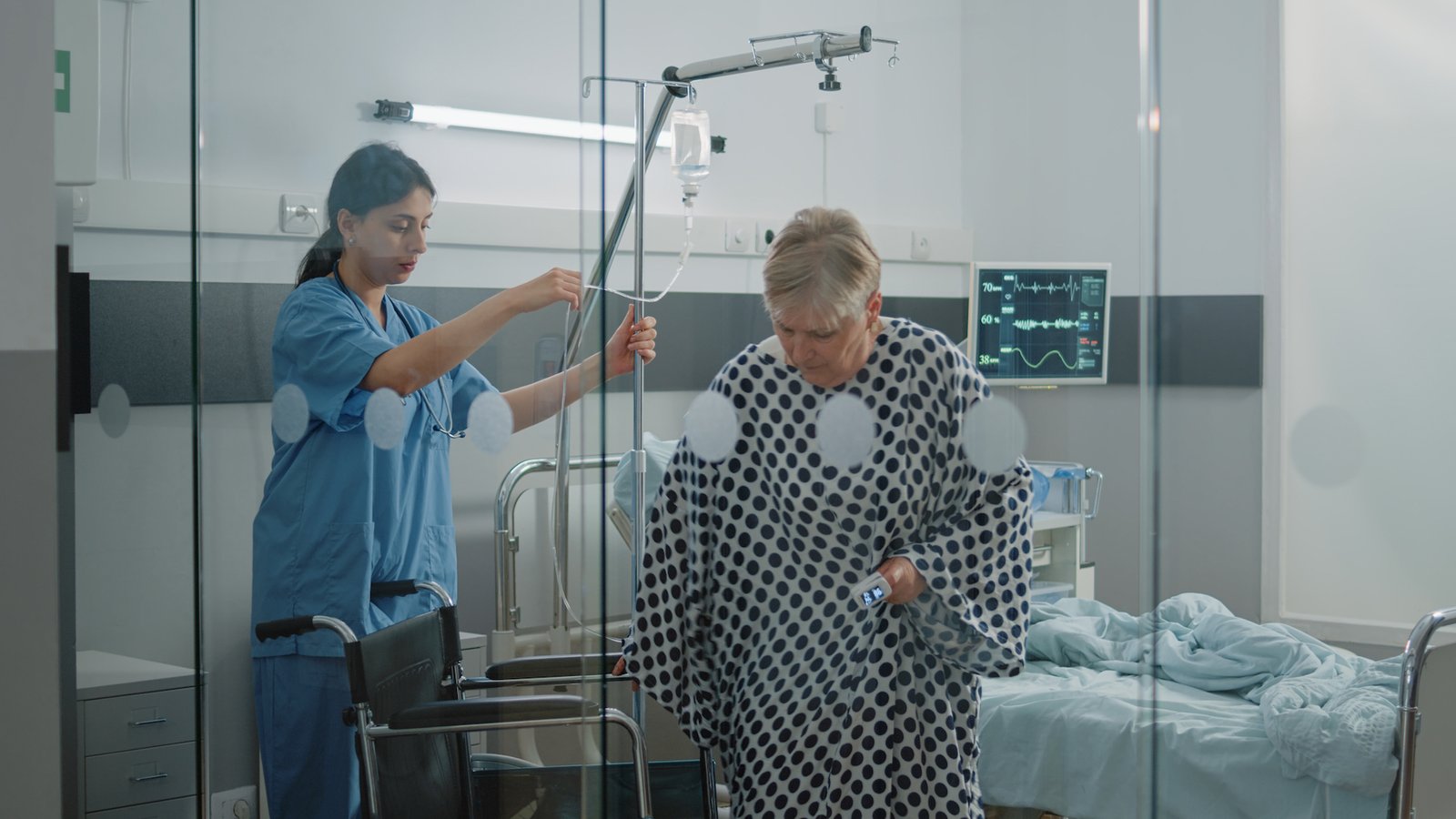
A companion may be able to stay in your hospital room, depending on the hospital’s policy and room type. This can be especially reassuring during the first night after surgery, when you may feel drowsy, uncomfortable or simply relieved to see a familiar face. Ask this question before you travel, rather than assuming an overnight stay is included.
If the companion will stay at a nearby hotel, prioritise location, lift access and comfort over sightseeing features. They should be able to return easily to the hospital, rest properly themselves and access food, water and basic supplies. A long taxi journey or a hotel with many stairs may become tiresome very quickly.
It also helps to discuss room arrangements honestly. Some patients want their companion nearby at all times; others prefer them to have a separate room where they can sleep well and recharge. Neither choice is wrong. The practical question is whether you can contact one another easily and whether help can reach you when needed.
At Bridge Health Travel, companion logistics can be considered alongside your hospital and transfer arrangements, so there is less for you to coordinate while focusing on your procedure.
Explain what your companion can expect at hospital
A supportive companion does not need medical training, but they do need a clear picture of the process. Before departure, explain that they may spend time waiting during admissions, tests and surgery. Hospital visiting rules, theatre access and overnight arrangements can vary, so they should follow staff guidance even when they are understandably keen to be close to you.
Your companion may be included in conversations with staff if you consent to this. That can be helpful when you are recovering from anaesthesia and do not want to remember every detail alone. They can make notes on discharge instructions, medication timing, walking guidance and the next scheduled review.
However, they should not feel responsible for clinical decisions. The surgeon, nursing team and patient coordinator remain the appropriate people to answer medical questions. A companion’s role is to support, observe and speak up if something seems unclear, not to interpret symptoms or alter your care plan.
Give them a simple support plan
Before you leave home, agree on the practical help you are comfortable receiving. In the first days after a gastric sleeve, gastric bypass or another bariatric procedure, you may welcome help carrying bags, getting water, keeping your phone charged and reminding you to walk gently as instructed.
You may not welcome constant questioning about pain, food or weight. Recovery can be emotional as well as physical. Let your companion know that reassurance may sometimes look like sitting quietly with you, rather than trying to fix every uncomfortable moment.
A written plan can prevent misunderstandings. Include your coordinator’s contact details, the hotel name, hospital address, flight information, a list of regular medicines and the contact details of someone at home. Keep a copy in each person’s phone and a printed copy with your travel documents.
Plan the return journey with care
The journey home is often the point at which patients underestimate their energy levels. You may feel stronger than you did immediately after surgery, but airports involve queues, walking, luggage and long periods of sitting. Your companion can make this stage calmer by handling check-in, bags and refreshments while you move at a measured pace.
Request airport assistance from your airline if walking long distances is likely to be difficult. This does not mean you have failed to recover well. It is a sensible way to conserve energy and reduce unnecessary strain. Ask in advance about the airline’s process and any deadlines for making the request.
Seat selection is worth considering. An aisle seat can make it easier to stand and move as advised by your clinical team. Your companion sitting beside you is usually more useful than sitting across the aisle, particularly if you feel anxious or need help reaching belongings. Do not carry heavy cabin bags or lift cases into overhead lockers.
Your team will tell you when it is safe to fly, based on your procedure and recovery. Follow that advice even if you feel eager to get home. On the journey, wear comfortable clothing, sip fluids according to your post-operative plan and move your legs regularly. Your companion can help protect your rest by managing the small travel decisions that can otherwise feel overwhelming.
Consider the emotional side of travelling together
Companion travel is not only a logistical decision. Bariatric surgery often represents years of frustration, hope and difficult conversations about health. Your companion may be relieved for you, worried about the operation, or unsure how to talk about the changes ahead.
Set aside time before the trip to discuss what support will look like once you return home. You may be following staged dietary guidance, adapting to new portions and establishing gentle activity habits. It helps if your companion understands that encouragement is welcome, while food policing or comments about your body are not.
This is also a good moment to consider whether your chosen person is genuinely suited to the role. The best companion is not necessarily the loudest or most organised person in your life. Choose someone calm under pressure, respectful of your privacy and able to follow instructions. If a loved one is likely to be highly anxious, controlling or unable to cope with hospital settings, a different companion may give both of you a better experience.
Questions to settle before booking
Confirm whether your companion can stay in the hospital room or should book separate accommodation. Ask what airport transfers cover, whether the hotel is close to the hospital, and who they should contact outside standard hours if they are worried about you.
They should also know which costs are included in your package and which are their responsibility, such as meals, personal spending or an extra hotel night. Clear answers protect your budget and prevent an avoidable conversation at a stressful time.
Finally, make sure your companion has their own valid passport, travel insurance that reflects the trip, medication and any required entry documents. Your surgery may be the focus, but their travel arrangements need to be complete too.
The right companion cannot remove every pre-operative worry, but they can help make the journey feel less lonely and more structured. Choose someone who brings steadiness, plan the practical details early, and let your clinical team guide the parts that should never be left to guesswork.