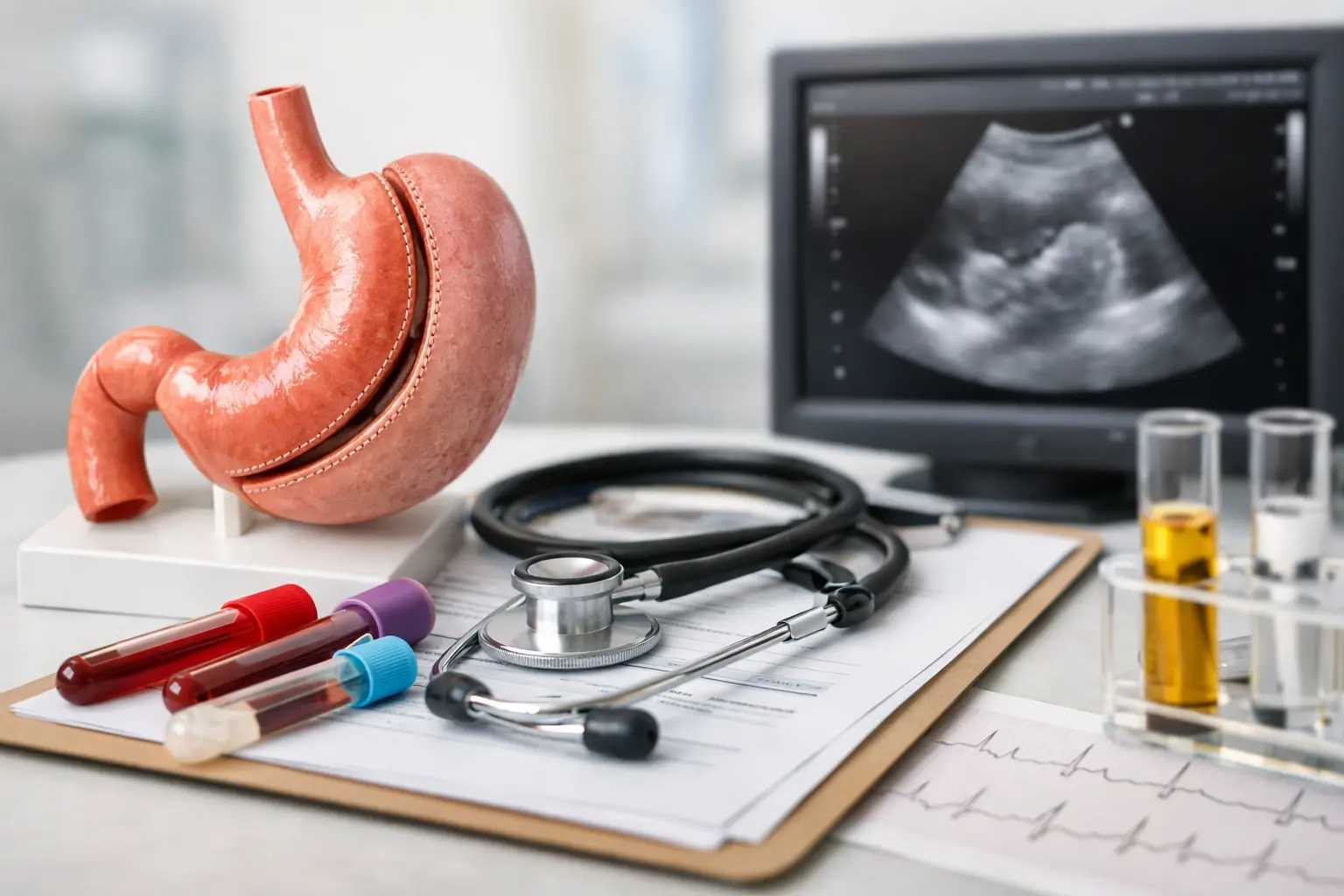

The first few weeks after bariatric surgery can feel surprisingly emotional. You may be relieved that the operation is behind you, but also nervous about every sip, spoonful, and sensation. That is exactly why a clear guide to bariatric nutrition stages after surgery matters so much. Good nutrition does more than protect healing – it helps you avoid discomfort, build confidence, and settle into the new routine that supports long-term weight loss.
At this stage, patients often want one simple answer to every food question. In reality, recovery is more individual than that. Your surgeon and dietitian should always have the final word, because the right pace depends on your procedure, your healing, and how well you tolerate each stage. Still, most bariatric plans follow the same broad progression.
Why the nutrition stages matter
After a gastric sleeve, gastric bypass, mini gastric bypass, or revisional procedure, your stomach needs time to heal. The early stages are not just about eating less. They are designed to reduce pressure on the surgical area, lower the risk of vomiting and dehydration, and help you reintroduce food in a safe order.
Moving too quickly can set you back. Patients who rush into thicker foods often end up with pain, nausea, reflux, or the feeling that food is stuck. Moving too slowly is not ideal either, because protein and fluid are essential for recovery. The goal is steady progress, not perfect progress.
Guide to bariatric nutrition stages after surgery
Stage 1: Clear fluids
This stage usually begins immediately after surgery and lasts for the first day or two, though timelines vary by surgeon. The aim is hydration, not calories. Your stomach is swollen, sensitive, and adjusting to its new shape, so tiny sips are the safest approach.
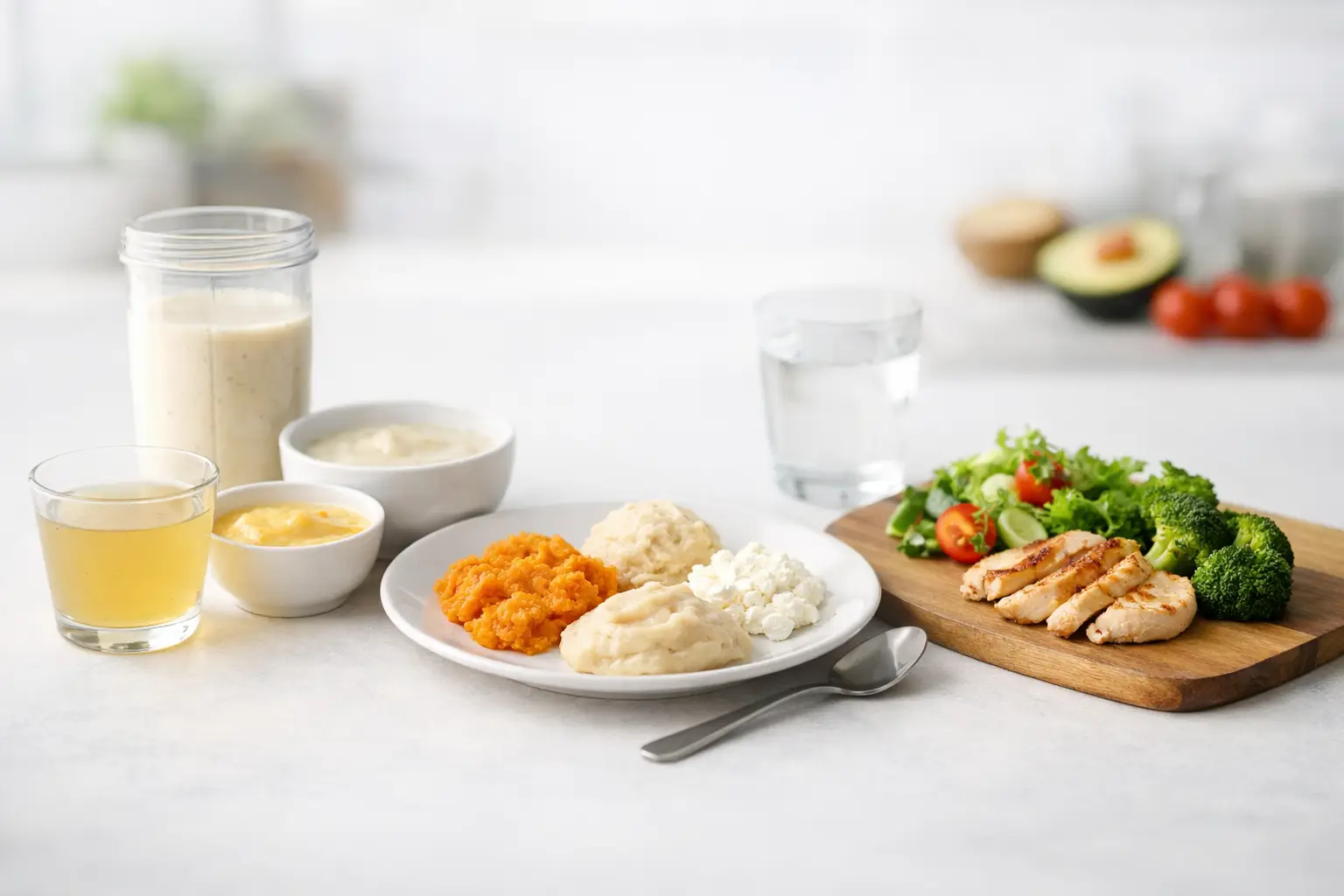
Typical options include water, diluted sugar-free squash, clear broth, and other approved non-fizzy, non-caffeinated drinks. Some teams allow electrolyte drinks if they are low in sugar. You will usually be asked to sip slowly rather than drink in gulps. That can feel frustrating, especially if you are thirsty, but it protects your stomach and makes it easier to notice fullness.
This is often the stage where patients realise how different drinking feels after surgery. Even water may need to be taken in very small amounts. That is normal. The priority is consistency across the day.
Stage 2: Full liquids
Once clear fluids are tolerated, you will usually progress to fuller liquids. This stage may last roughly one to two weeks, depending on your care plan. The focus shifts from hydration alone to hydration plus gentle nourishment.
This is where protein starts to become more important. Options often include protein shakes, skimmed or semi-skimmed milk if tolerated, thin yoghurt drinks, strained soups, and smooth low-fat options approved by your clinical team. Texture matters. Even healthy foods can be too heavy if they are thick, lumpy, or too rich.
Many patients struggle a little here because appetite can be low while protein targets start to matter more. If that happens, quality matters more than quantity at first. A few well-tolerated protein drinks during the day are usually more useful than forcing foods that leave you feeling sick.
Stage 3: Pureed foods
The pureed stage is often the first point where eating begins to feel more familiar. It usually starts around week two or three, but only if liquids are going down comfortably. Foods at this stage should be completely smooth, with no lumps, skins, or bits to chew.
Examples may include pureed chicken with broth, smooth cottage cheese, mashed fish, blended lentils, smooth yoghurt, or soft scrambled egg if your team allows it. The texture should be close to baby food. That comparison may not sound appealing, but it is useful. If a food needs much chewing, it is probably too advanced for this stage.
Patients are sometimes tempted to test solid foods too soon because they are tired of liquids. That is understandable, but it rarely ends well. Pureed meals may be small – often just a few spoonfuls – yet they are doing important work. They help your stomach relearn digestion without strain.
Stage 4: Soft foods
Soft foods are usually introduced around weeks four to six. By now, swelling may be settling and your confidence may be improving, but this is still an adjustment phase. Foods should be tender, moist, and easy to break apart with a fork.
Common choices include flaky fish, soft chicken, minced turkey, beans, soft fruit without skin, cooked vegetables, and eggs. Dry meat, crusty bread, rice, pasta, and fibrous vegetables are often harder to manage, even if they look harmless on the plate. A food is not suitable just because it is nutritious. Texture and tolerance still come first.
This stage teaches one of the most important long-term bariatric habits: slow eating. Small bites, thorough chewing, and pauses between mouthfuls matter more now than before surgery. Many uncomfortable episodes happen not because the wrong food was chosen, but because it was eaten too quickly.
Stage 5: Regular textured food
Regular food does not mean a return to old habits. It means a wider range of foods can be introduced carefully, usually from around week six onwards, depending on your procedure and recovery. Even at this stage, the portion sizes remain small and the order of eating matters.
Protein should still come first. Chicken, fish, eggs, Greek yoghurt, low-fat cheese, and other lean sources help protect muscle mass while you lose weight. After that, vegetables and small amounts of slower-digesting carbohydrates may be added according to your plan. Sugary foods, fried foods, and highly processed snacks can trigger dumping symptoms in some patients, particularly after bypass procedures, and may also make it harder to maintain results.
What to focus on at every stage
Across all bariatric nutrition stages after surgery, the same principles keep coming up. Hydration is one. Protein is another. The third is patience.
Most patients are advised not to drink with meals and to leave a gap before and after eating. That rule can feel awkward at first, but it helps prevent overfilling the stomach and allows food to sit more comfortably. Fizzy drinks are usually discouraged because they can cause pressure and discomfort. Alcohol is often restricted for a good while and should only be reintroduced with medical guidance.
You will also need vitamin and mineral supplements. Because bariatric surgery changes how much you can eat, and in some procedures how nutrients are absorbed, supplementation is part of treatment rather than an optional extra. The exact combination depends on your operation and blood results.
Common problems and when to slow down
Recovery is rarely perfectly linear. One day a food feels fine, the next day it does not. That does not always mean something is wrong. Healing tissues can be sensitive, and tolerance can vary depending on how quickly you ate, how well you chewed, and whether the food was too dry.
It is usually wise to pause and step back a stage if you are having repeated nausea, vomiting, pain when eating, or the sensation that food is sticking. Dehydration is another issue to watch closely. Dark urine, dizziness, headaches, and extreme tiredness can all suggest you are not drinking enough.
Persistent symptoms should never be brushed off. If you have severe pain, repeated vomiting, fever, or signs of dehydration, you should contact your clinical team promptly. Good aftercare matters here. Patients often feel calmer when they know exactly who to message and what to report.
The emotional side of eating after surgery
The practical side of eating is only half the story. Food may have played a comforting, social, or stress-relieving role for years. After surgery, those old patterns do not vanish overnight. Sometimes the hardest part is not the portion size. It is the feeling of adjustment around meals, family routines, or eating out.
That is why support makes such a difference. A well-structured aftercare pathway, like the one patients expect from teams such as Bridge Health Travel, can help you feel guided rather than left to work it out alone. Clear stage-by-stage advice, regular check-ins, and quick responses to concerns often prevent small setbacks from becoming bigger worries.
Building habits that last beyond recovery
The early stages are temporary, but the habits you build during them are not. Eating slowly, prioritising protein, planning fluids across the day, and stopping at the first sign of fullness are skills that continue long after you return to a broader diet.
There is no prize for progressing fastest. The better approach is to respect the stage you are in, keep communication open with your clinical team, and give your body time to adapt. A calm, steady recovery usually leads to better confidence with food, and confidence is often what helps patients stay consistent when real life starts to feel normal again.
If meals feel unfamiliar right now, that does not mean you are doing badly. It usually means you are in the middle of the learning curve, and that curve gets easier with the right support.