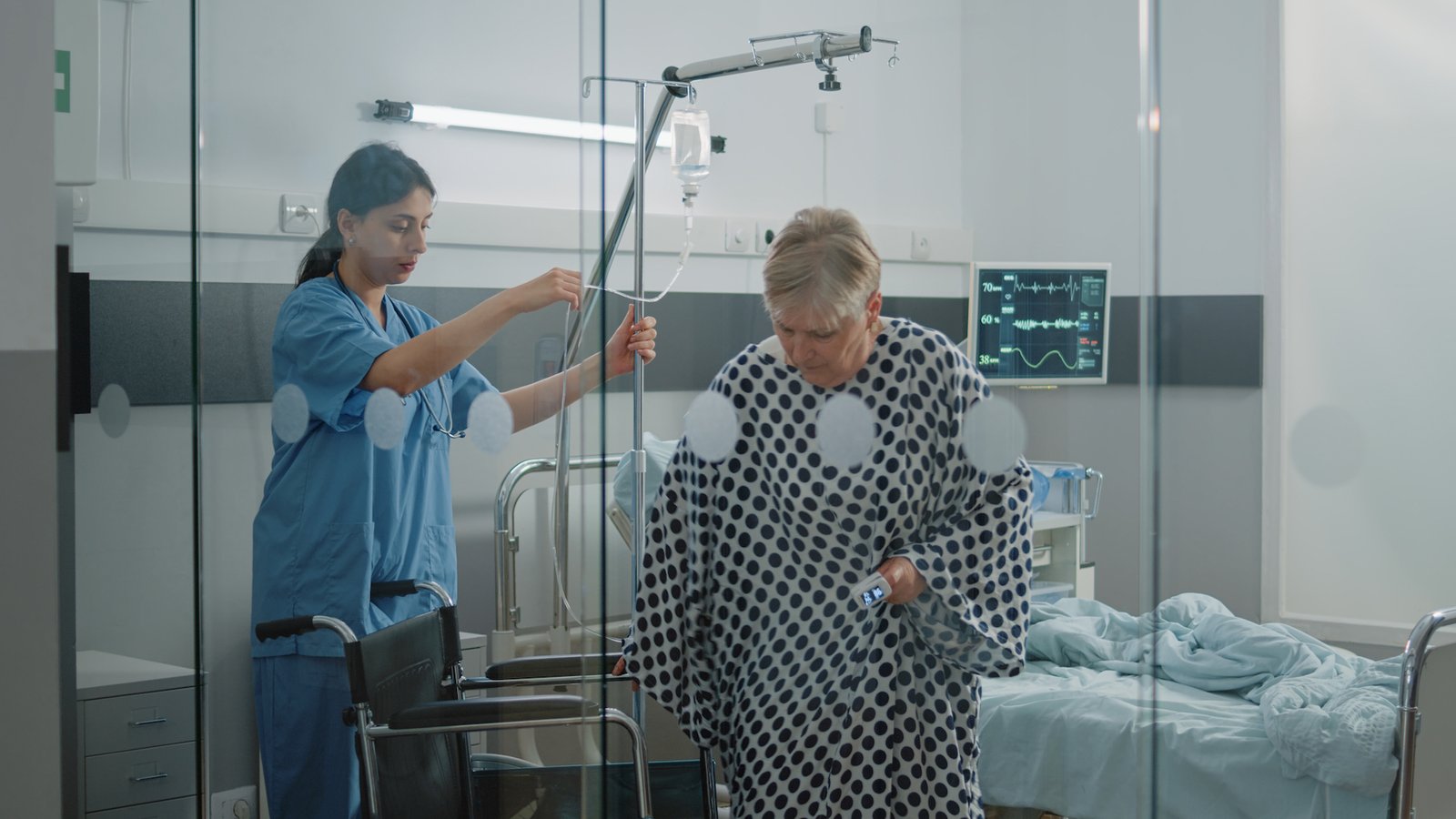


Waking up exhausted after a full night in bed can change far more than a morning routine. For many people living with obesity, loud snoring, choking or gasping at night, daytime headaches and constant fatigue are signs that deserve clinical attention. This case study sleep apnoea improvement pathway shows how weight-loss surgery may support meaningful progress, while making clear why proper diagnosis, CPAP use and ongoing follow-up still matter.
The patient story below is representative rather than a promise of a particular result. Obstructive sleep apnoea varies in severity, and every treatment plan should be led by the patient’s own bariatric and sleep-medicine clinicians.
The starting point: when tiredness became a safety concern
Our representative patient was a UK-based adult in their early forties who had lived with weight gain for years. They had tried structured diets, gym memberships and medication support, usually losing some weight before regaining it. The harder issue, however, was not the number on the scales. It was sleep.
Their partner had noticed prolonged pauses in breathing followed by loud snorts. The patient regularly woke with a dry mouth and headache, struggled to concentrate at work and had begun avoiding longer drives because of sleepiness. A sleep assessment confirmed moderate-to-severe obstructive sleep apnoea, commonly shortened to OSA. CPAP therapy was prescribed to keep the airway open during sleep.
CPAP made a difference, but it was not an easy adjustment. The patient found the mask inconvenient, particularly when travelling, and still felt that weight was affecting mobility, confidence and daily comfort. After discussing options with their clinical team, they began exploring bariatric surgery as part of a broader health plan.
Why excess weight can worsen obstructive sleep apnoea
OSA happens when the upper airway repeatedly narrows or closes during sleep. The brain briefly rouses the body to restart breathing, sometimes dozens of times an hour. These interruptions can fragment sleep even when the person does not remember waking.
Weight is not the only cause. Jaw shape, enlarged tonsils, nasal obstruction, alcohol, sedative medication and family history can all play a role. But excess tissue around the neck and upper airway, together with abdominal weight that can affect breathing mechanics, may make airway collapse more likely.
That is why bariatric surgery can be relevant for some patients. Sustained weight loss may reduce the pressure contributing to airway obstruction. It is not a guaranteed cure, and it should never be presented as a replacement for sleep-apnoea treatment before a clinician says it is safe. The goal is better health, not simply a smaller clothing size.
Preparing for surgery with sleep apnoea
A diagnosis of OSA changes how a surgical journey is planned. It does not automatically prevent bariatric surgery, but it does mean the anaesthetic and recovery teams need clear, accurate information.
Before surgery, the representative patient shared their sleep-study result, CPAP settings and relevant medical history. Their pre-operative checks included blood tests, an ECG and a review of medications. The clinical team also discussed reflux symptoms, blood pressure and any history of breathing difficulties with anaesthesia.
For patients travelling abroad, this preparation deserves particular care. It is sensible to bring the CPAP machine and mask unless the hospital has given different instructions, carry prescriptions or a brief medical summary, and ensure the coordinator knows about the diagnosis before travel arrangements are finalised. A supportive companion should understand that pain relief, sleeping position and oxygen monitoring may look different after surgery for someone with OSA.
At Bridge Health Travel, this is the kind of detail a dedicated coordinator helps organise alongside transfers, hospital scheduling and communication with the clinical team. It reduces avoidable uncertainty, but clinical decisions always remain with the treating surgeon and anaesthetist.
Case study: sleep apnoea improvement in the first year
The patient underwent gastric sleeve surgery after being assessed as suitable by the surgeon. Their first days focused on safe recovery: walking regularly, following the staged fluid plan, using prescribed medication and sleeping with appropriate clinical guidance. CPAP was continued exactly as instructed.
Weight loss was steady rather than dramatic overnight. In the first few months, the patient noticed they were waking less often and had more energy for short walks. Their partner reported less intense snoring. These were encouraging changes, but not evidence that OSA had gone away. The patient continued CPAP and attended follow-up appointments rather than making changes based on symptoms alone.
By around six months, mobility had improved and blood-pressure readings were more favourable. The patient was able to exercise more comfortably and was finding it easier to maintain a consistent bedtime. They also became more aware of how alcohol late in the evening affected sleep quality, even after weight loss.
At roughly 12 months, a repeat sleep assessment was arranged through their local clinical pathway. The results showed a significant reduction in breathing events compared with the original study. Their sleep clinician reviewed the data, symptoms and oxygen levels before adjusting treatment. In some cases, pressure settings may be reduced; in others, CPAP remains necessary despite substantial weight loss.
For this patient, the important improvement was not simply the report. It was being able to wake more refreshed, participate in family life with greater energy and feel safer during the day. The outcome came from surgery, follow-up and sustained behavioural changes working together.
What this sleep apnoea improvement case study does not prove
It would be misleading to suggest that every patient can stop using CPAP after gastric sleeve, gastric bypass or another bariatric procedure. Some people have persistent OSA because anatomy and other factors remain relevant even after considerable weight loss. Others may improve quickly, while some need longer for weight and symptoms to stabilise.
There is also a practical trade-off to consider. Bariatric surgery is a major decision that requires lifelong nutritional care, changes to eating habits and routine blood monitoring. It should be chosen because the overall health picture supports it, not solely because a person dislikes their CPAP mask.
Equally, stopping CPAP without reassessment can be risky. Snoring becoming quieter does not reliably show that breathing interruptions have resolved. A repeat sleep study, or another assessment recommended by a sleep specialist, is the appropriate way to judge whether treatment should change.
Protecting progress after bariatric surgery
The best outcomes tend to come from patients who treat surgery as a powerful clinical tool rather than the end of the process. A regular sleep schedule, gradual return to movement, protein-first meals and hydration all support recovery and weight-loss maintenance. Avoiding alcohol close to bedtime and discussing sedating medicines with a clinician can be especially relevant for people with OSA.
Follow-up also gives the team a chance to identify issues that can quietly undermine progress, such as reflux affecting sleep, iron or vitamin deficiencies contributing to fatigue, or weight regain. Feeling tired again does not always mean sleep apnoea has returned, but it is worth raising early rather than pushing through it.
For partners and family members, this period can bring reassurance as well as adjustment. They may be the first to notice changes in snoring, sleep position or daytime alertness. Their observations can be useful at follow-up, particularly if the patient is tempted to discontinue CPAP before a clinician has reviewed them.
A calmer next step for patients with OSA
If poor sleep has become part of the reason you are considering weight-loss surgery, raise it at the beginning of the conversation. Ask how your diagnosis will affect anaesthesia planning, what information you should bring, when CPAP should be used after surgery and how repeat sleep testing will be arranged at home.
A well-planned bariatric journey can make room for substantial health improvements, including better sleep for some patients. The most reassuring path is not to guess at the outcome, but to have each step assessed, supported and reviewed by the right clinical team.


