
For someone who has spent years trying diets, exercise plans and medication with limited lasting change, the question is rarely whether they need support. It is which treatment offers the safest and most realistic route forward. Endoscopic versus surgical weight-loss treatment is not a simple contest between a ‘lighter’ and a ‘stronger’ option. Each has a different purpose, recovery profile and expected result.
The right choice begins with a clinical assessment of your weight, medical history, eating patterns, previous treatments and goals. It should also take account of the practical side: time away from work, support at home, travel arrangements and the follow-up needed to protect your result.
Endoscopic versus surgical: what is the difference?
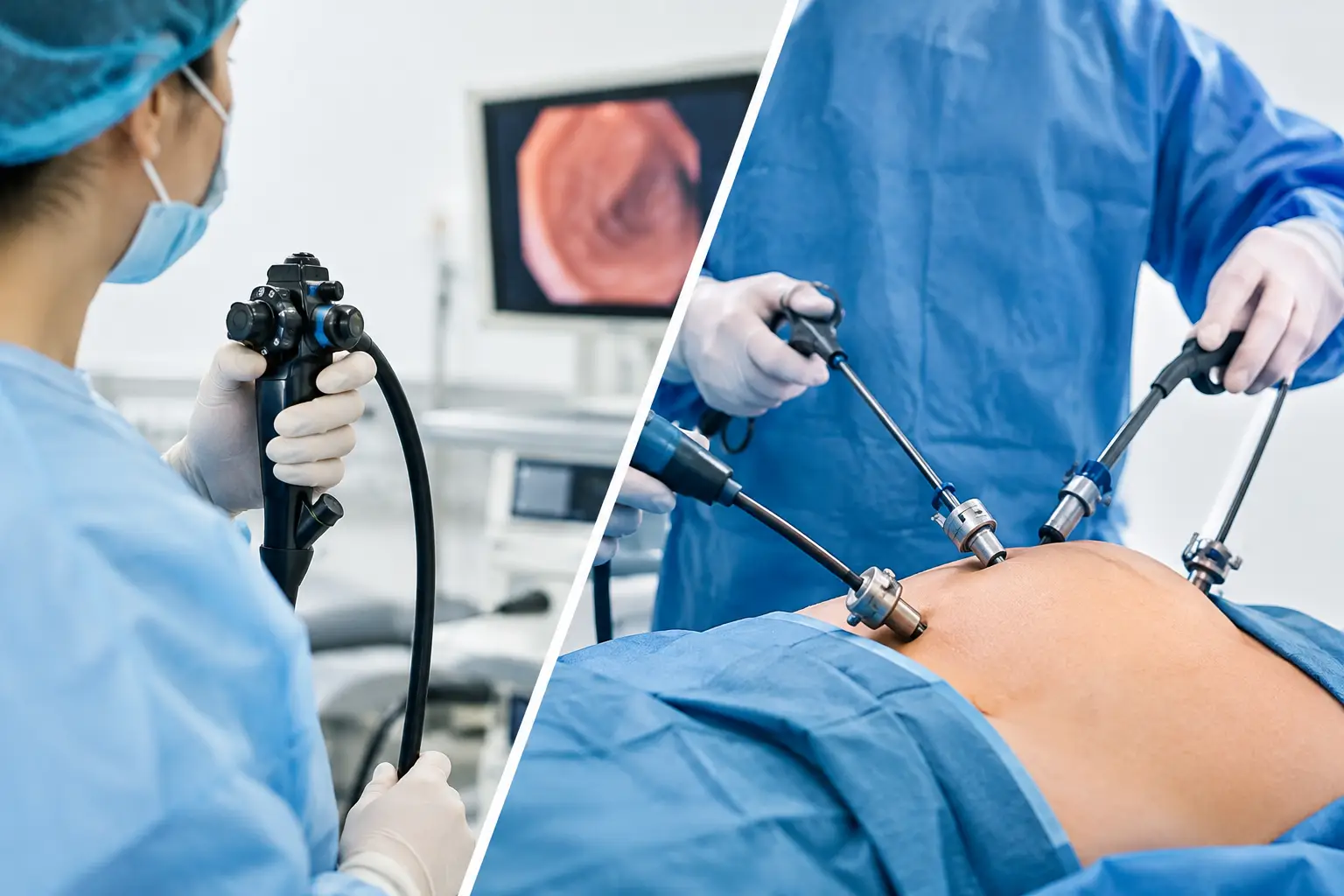
Endoscopic treatments are performed through the mouth using a flexible camera called an endoscope. There are no abdominal incisions. Depending on the procedure, the clinician may place a gastric balloon or use internal sutures to reduce the usable volume of the stomach, as in endoscopic sleeve gastroplasty.
Surgical bariatric procedures change the stomach, and sometimes the route food takes through the small bowel. Gastric sleeve surgery removes a large portion of the stomach. Gastric bypass and mini gastric bypass create a smaller stomach pouch and alter digestion to varying degrees. These operations are commonly performed laparoscopically through several small abdominal incisions.
Both approaches require commitment to nutrition, movement, supplements where prescribed and long-term follow-up. Neither is a shortcut. They are medical tools that can make sustained change more achievable when lifestyle measures alone have not been enough.
What results can you reasonably expect?
Surgery generally produces greater average weight loss and has the longest track record for people living with higher BMI levels or obesity-related conditions. Gastric sleeve and bypass procedures may also lead to substantial improvement in conditions such as type 2 diabetes, high blood pressure, sleep apnoea and joint strain. The extent of improvement varies from person to person and should never be guaranteed in advance.
Endoscopic treatment can provide meaningful weight loss with less physical disruption, particularly for people who do not need or do not want major surgery. It may suit a patient at an earlier point in their weight-loss journey, or someone whose clinical profile makes a less invasive approach preferable. Results can be very good, but they are usually more modest than those expected from bariatric surgery.
The best measure is not only the number on the scales. A useful outcome might mean walking without pain, reducing medication under medical supervision, sleeping better, feeling more confident in social situations or being able to play with your children without becoming breathless. Your team should discuss both percentage weight loss and the improvements that matter in your own life.
Recovery: less invasive does not mean no recovery
One clear advantage of an endoscopic procedure is a shorter initial recovery. Many patients return to gentle daily activities relatively quickly, although nausea, cramping, reflux or discomfort can occur, especially with a gastric balloon. The diet progresses in stages, often starting with liquids before moving to puréed and then soft foods. Following these stages carefully protects healing and helps you learn new portion sizes.
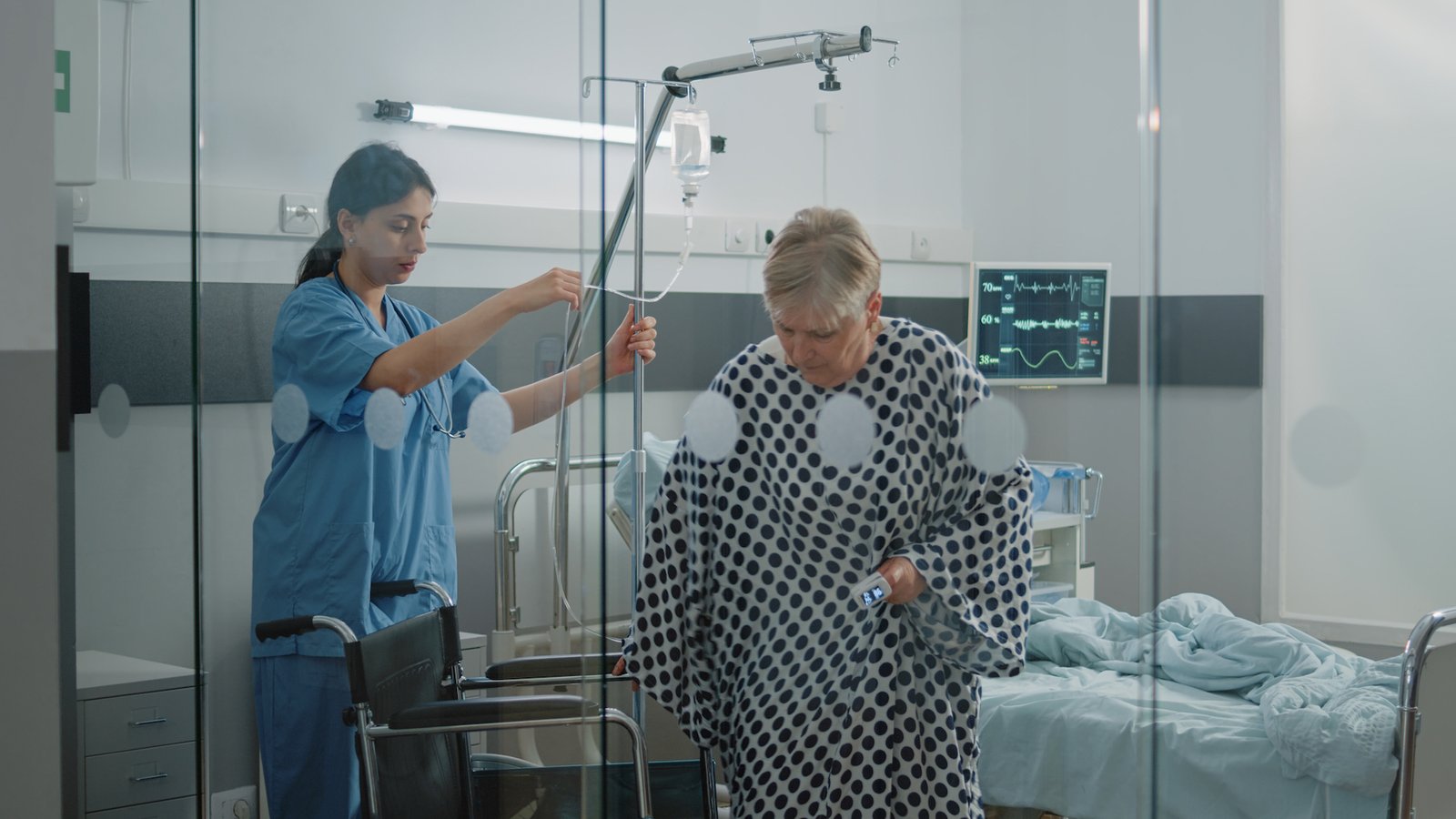
After surgical treatment, patients usually need a longer period of recovery and a few days of hospital observation. Pain is managed by the clinical team, and early walking is encouraged to support circulation and recovery. The first weeks still involve a structured liquid-to-solid food progression, but the adjustment can be more significant because the anatomy of the stomach or digestive tract has changed.
If you are travelling abroad for treatment, recovery planning deserves as much attention as the procedure itself. You need clear guidance on how long to remain near the hospital, fit-to-fly timing, medication, emergency contact arrangements and what symptoms require urgent review. A well-organised programme also coordinates pre-operative tests, transfers, accommodation and post-operative checks so that you are not left managing unfamiliar details while recovering.
Who may be better suited to endoscopic treatment?
Endoscopic options may be considered for adults who want a less invasive intervention and have a lower surgical risk or lower starting BMI than is typical for bariatric surgery. They can also appeal to people who want to avoid incisions or require a shorter recovery period.
That said, suitability is not decided by BMI alone. Severe reflux, a hiatus hernia, previous stomach surgery, certain medications, untreated eating disorders, alcohol dependency and medical conditions affecting anaesthetic risk can all influence the recommendation. A balloon is temporary and requires removal, while endoscopic suturing procedures demand the same ongoing dietary discipline as any other weight-management intervention.
Be cautious of anyone who presents an endoscopic procedure as risk-free or suggests it will suit every patient. Anaesthesia, bleeding, infection, nausea, reflux and rare complications are still part of the informed-consent conversation.
When surgery may offer the clearer long-term fit
Surgery is often the stronger consideration where a person has a high BMI, significant obesity-related illness, or a long history of regaining weight after non-surgical treatment. Gastric bypass may be discussed for patients with severe reflux or type 2 diabetes, while gastric sleeve is a widely used option with a different balance of benefits and considerations. The specific procedure should be chosen by a qualified bariatric surgeon after reviewing your health, not selected solely from before-and-after photographs.
Surgery does involve more intensive preparation. You may need blood tests, an ECG, imaging, nutritional assessment and anaesthetic review. Afterwards, lifelong vitamin and mineral supplementation is particularly important after bypass procedures, alongside regular blood monitoring. This is not a disadvantage to hide – it is part of choosing a treatment that is designed for durable metabolic change.
There are also risks that need honest discussion, including leaks, bleeding, blood clots, nutritional deficiencies, gallstones, reflux and, in some cases, the need for further treatment. A responsible team explains how these risks are reduced, how complications are recognised and what support is available after you return home.
The question patients often miss: can you sustain the follow-up?
The procedure takes place on one day. The outcome is shaped over months and years. Before choosing between endoscopic and surgical care, ask what support will be in place once the excitement and anxiety of treatment have passed.
You should know who will guide your dietary stages, how to contact the team with concerns, when follow-up reviews are scheduled and how your GP or local healthcare professional can be involved. If you travel to Antalya from the UK or Ireland, communication matters even more. You should leave with understandable records, medication instructions and a clear plan for ongoing monitoring at home.
At Bridge Health Travel, patients are supported through the practical parts of the journey as well as hospital care, from pre-operative coordination and airport transfers to communication with the clinical team and planned aftercare check-ins. That joined-up support can help a patient focus on recovery rather than trying to solve logistics alone.
Questions worth asking at your consultation
A good consultation should feel like a two-way conversation, not a sales call. Ask why a particular procedure is being recommended for you, what weight loss range is realistic in your circumstances, and how your medical conditions may change after treatment. Ask about the surgeon’s experience with the procedure, the hospital’s emergency protocols and the total plan if a complication occurs.
It is equally sensible to ask about costs, what is included during your stay, how long you should remain in the country, and whether a companion can be involved in key discussions. Bringing a partner or family member into the plan can make the first weeks at home calmer and more manageable.
The most reassuring answer is not always the one promising the fastest result. It is the one that connects a clinically appropriate procedure with honest expectations, safe hospital care and follow-up you can genuinely maintain. Give yourself permission to take the time you need, ask every question on your mind and choose the path that supports your health well beyond the day of treatment.