
A lot of patients ask the same question in their first message: is a gastric balloon in Turkey actually a sensible option, or does it only look attractive because of the price? It is a fair concern. When you are considering treatment abroad, cost matters, but so do safety, comfort, follow-up and knowing exactly who is looking after you from the moment you land.
For the right patient, a gastric balloon can be a useful step towards meaningful weight loss without permanent surgical changes to the stomach. It is less invasive than a sleeve or bypass, recovery is usually quicker, and the decision can feel less daunting for people who are not ready for surgery. At the same time, it is not a shortcut, and it is not the best fit for everyone. The details matter.
What is a gastric balloon in Turkey?
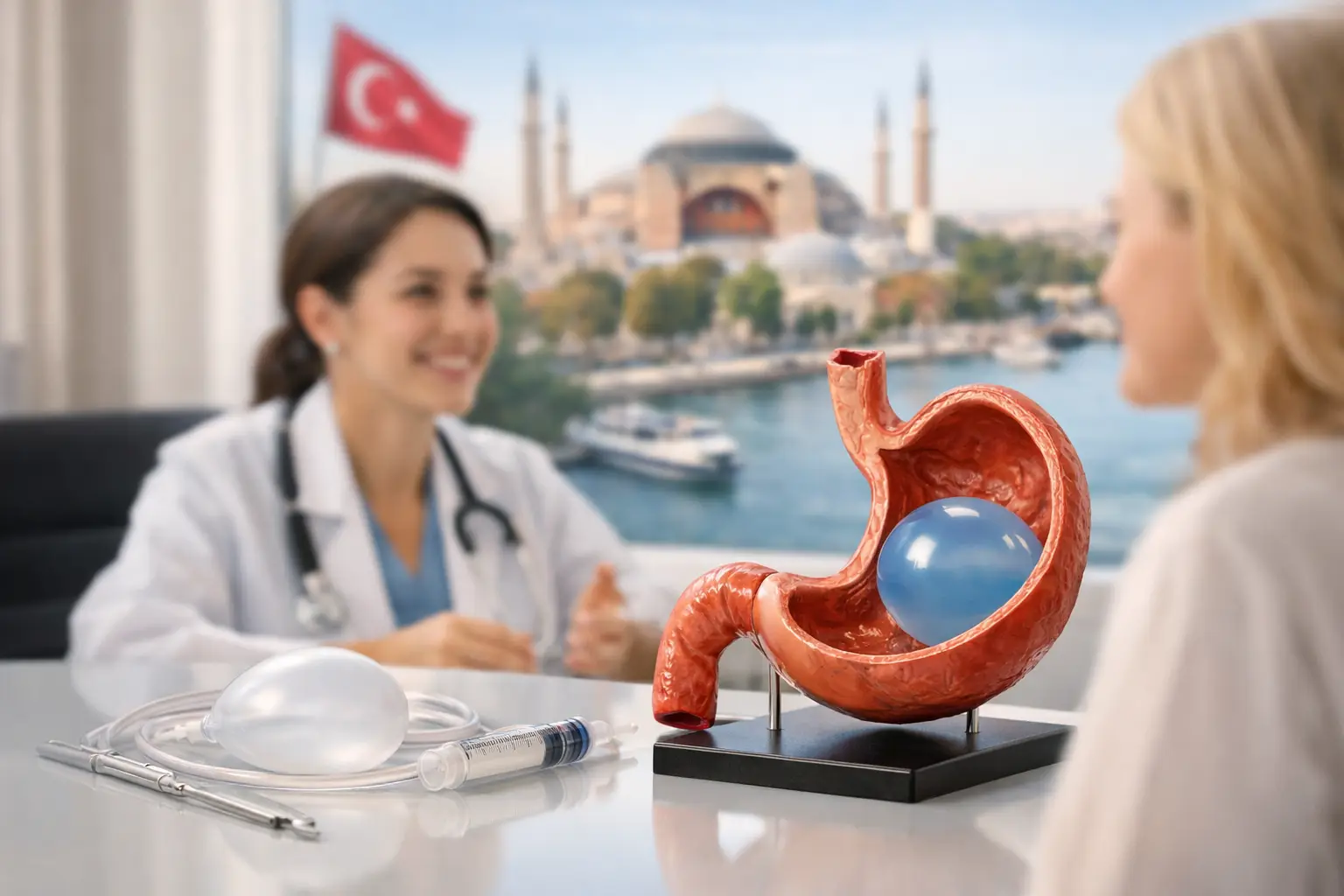
A gastric balloon is a soft balloon placed inside the stomach, usually by endoscopy. Once in position, it is filled so that it takes up space in the stomach and helps you feel full sooner. The aim is to reduce portion sizes, support better eating habits and help patients lose weight over a set treatment period.
When patients choose a gastric balloon in Turkey, they are usually looking for two things at once: a clinically supervised treatment and a smoother, more affordable route to getting it done. Turkey has become well known for weight-loss procedures because experienced hospitals and bariatric teams can offer treatment quickly, often with bundled planning that includes tests, accommodation and transport.
That said, the country itself is not the deciding factor. The quality of the hospital, the experience of the doctor, the standards of assessment and the support around the procedure matter far more than the destination name on its own.
Who tends to be a good fit?
A gastric balloon often suits adults who want help with weight loss but do not want, or do not currently qualify for, bariatric surgery. It can also appeal to patients who have been stuck in a cycle of dieting, regaining weight and feeling increasingly discouraged.
In general, it may be considered for people with a BMI in a lower range than would usually be required for a gastric sleeve or bypass, although this depends on medical history and clinical assessment. It can also be useful for people who need to lose some weight before another treatment or operation.
What it does not do is remove the need for commitment. If a patient struggles with grazing, high-calorie liquids or emotional eating and has no support plan in place, the balloon may deliver more limited results. The treatment works best when it sits inside a wider framework of dietary changes, regular monitoring and realistic expectations.
Why patients consider Turkey for this procedure
The most obvious reason is price, but that is only part of the picture. Many UK and Irish patients also want to avoid long waiting times and the frustration of trying to coordinate treatment, travel and aftercare on their own.
A well-managed medical travel pathway makes a real difference here. Instead of spending weeks trying to compare clinics, arrange separate hotel bookings, organise airport journeys and guess what happens after discharge, patients can move through a clearer process. Pre-operative tests, hospital scheduling, transfers and support with language or paperwork can all be coordinated in advance.
For anxious patients, this matters as much as the medical procedure itself. Feeling looked after reduces the mental load. It also helps partners or family members travelling with the patient feel more confident about what is happening and when.
What the treatment journey usually looks like
Most patients begin with a remote assessment. This includes weight history, current BMI, previous attempts at weight loss, medications, medical conditions and whether a balloon is genuinely appropriate. Good providers do not treat this as a box-ticking exercise. They use it to decide whether the balloon is likely to help, or whether another option would be safer or more effective.
Once travel is arranged, the in-country process is usually straightforward. On arrival, patients are met and taken to their hotel or hospital. Before the procedure, the clinical team will normally organise tests such as bloodwork, ECG and any additional checks needed based on your history.
The balloon placement itself is usually a short procedure. Patients are sedated, the balloon is inserted through the mouth into the stomach, and then filled. Because there are no surgical incisions, recovery is generally faster than with bariatric surgery, but that does not mean it is effortless.
For the first few days, nausea, cramping, reflux and vomiting are common while the stomach adjusts. Some patients cope well with this phase, while others find it tougher than expected. Honest counselling before treatment is important because this early period can be uncomfortable, even though it is temporary.
Recovery and the first few weeks
The first week is usually about settling the stomach and staying hydrated. Patients move gradually from liquids to softer foods, then towards a more structured eating plan. Clear guidance matters here. Without it, people can either push too fast and feel unwell, or become overly cautious and struggle with nutrition.
The balloon is a tool, not a replacement for behaviour change. Appetite often reduces, portions become smaller and early fullness becomes more noticeable, but food choices still matter. High-calorie drinks, sweets and frequent snacking can still slow progress.
This is why aftercare should never be treated as an afterthought. Follow-up check-ins, access to a coordinator, practical diet advice and clear warning signs to watch for all make the experience safer and more effective. Bridge Health Travel is one of the companies built around this kind of hands-on support, which can be especially reassuring for patients returning home after treatment.
Results: how much weight can you lose?
This is one of the most searched questions, and the honest answer is: it depends. Starting weight, eating habits, activity level, hormone-related issues and consistency all influence the outcome.
Many patients do lose a meaningful amount of weight with a gastric balloon, especially in the first few months. Some also see improvements in confidence, mobility and day-to-day comfort. Clothes fit differently, stairs feel easier, and social situations become less stressful. Those changes can be just as motivating as the number on the scales.
But results vary, and maintenance is the bigger challenge. Because the balloon is temporary, the period while it is in place needs to be used well. Patients who build new habits during that time generally do better after removal than those who rely only on the physical restriction.
Safety, risks and what to ask before booking
A gastric balloon is less invasive than surgery, but it is still a medical procedure with risks. Nausea and vomiting are common at the start. Reflux can be troublesome. In rarer cases, dehydration, balloon intolerance, ulceration or balloon deflation can occur and need urgent review.
That is why provider selection matters so much. Ask who performs the endoscopy, where the procedure takes place, what pre-op checks are included, who you contact if symptoms worsen, and what the plan is if the balloon needs early removal. If those answers are vague, that is a warning sign.
It is also worth asking practical questions patients sometimes forget in the rush to compare prices. Will you have a dedicated coordinator? Is translation support available if needed? Are transfers included? Will someone explain medication, hydration and diet stages in plain English? Good care often shows up in these details.
Is a balloon better than a sleeve or bypass?
Not better across the board – just different. A gastric balloon is temporary and less invasive, which makes it appealing to people who want a gentler starting point. It can be a sensible option for patients who are not ready for permanent anatomical changes or who need a lower-risk intervention.
However, weight loss from a balloon is usually more modest than from a gastric sleeve or bypass. For patients with a higher BMI, significant obesity-related health issues or a long history of unsuccessful weight management, surgery may offer stronger and more durable results.
This is where proper assessment matters more than preference alone. The right procedure is the one that fits your health profile, your goals and your capacity to maintain changes afterwards.
Cost matters, but value matters more
It is understandable to compare prices first. Many patients do. But the cheapest quote is not always the safest or most organised option.
Real value comes from a package that includes proper screening, qualified clinicians, hospital standards, responsive communication and aftercare that does not disappear once you fly home. If a provider makes the process feel rushed or unclear before you book, that usually does not improve afterwards.
A gastric balloon can be a positive turning point, especially for patients who want a less invasive option and a structured push towards lasting change. The best experiences tend to come from settings where the treatment is carefully assessed, the travel is well coordinated and the patient feels supported before, during and after the procedure.
If you are weighing up whether this route is right for you, look beyond the sales pitch. Ask careful questions, expect clear answers, and choose a team that treats your peace of mind as part of your care.