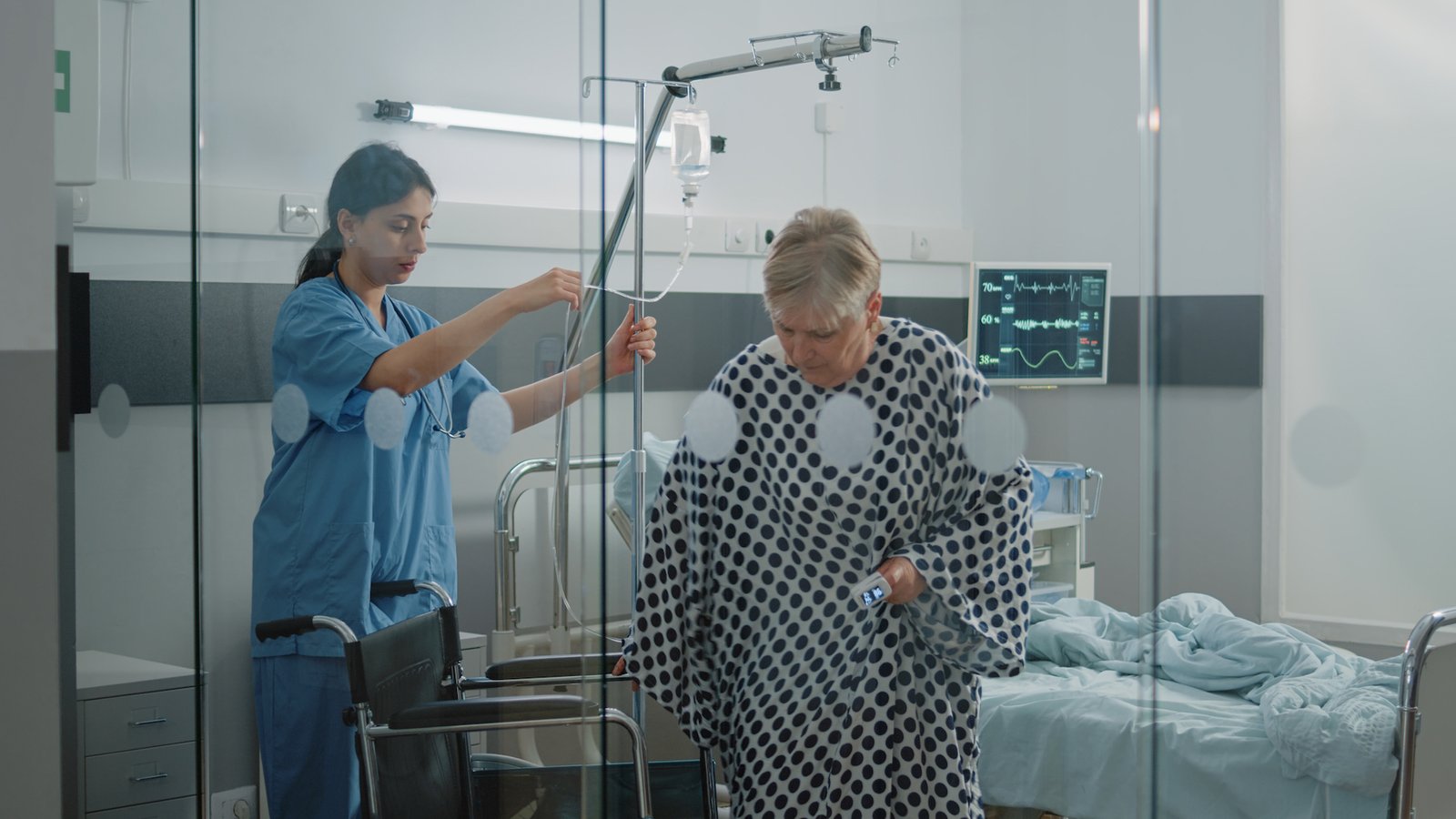

If you are seriously considering surgery, you probably do not just want to know what the operation is. You want to know how gastric sleeve in Antalya works in real life – who meets you, what tests happen first, how long you stay, what recovery feels like, and how supported you will be when you go home.
That is usually the deciding factor. For many patients from the UK and Ireland, the procedure itself is only one part of the picture. The bigger concern is whether the whole process feels safe, organised and manageable when you are having treatment abroad.
How gastric sleeve in Antalya works from first enquiry to flight home
A gastric sleeve, also called sleeve gastrectomy, is a weight-loss operation that reduces the size of the stomach. During surgery, a large portion of the stomach is removed, leaving a narrow sleeve-shaped stomach behind. Because the new stomach is much smaller, you feel full far sooner and eat less. There is also a hormonal effect, as the part of the stomach linked to hunger signals is reduced.
In Antalya, the process normally starts well before you travel. You share your medical history, current weight, height, body mass index, previous surgeries, medications and any health conditions such as diabetes, reflux, sleep apnoea or high blood pressure. This first stage matters because not every patient is suited to the same operation. A sleeve can be an excellent option, but in some cases a bypass or revisional procedure may be safer or more effective.
Once your case has been reviewed, you are usually given a clear treatment plan and travel schedule. For most international patients, that includes airport transfer, hotel or hospital arrangements, pre-operative testing and your admission date. This kind of coordination removes a lot of stress, especially if you are travelling with a partner who also wants to know what to expect.
Before surgery: assessment and safety checks
When you arrive, the first major step is pre-op testing. This is not a formality. It is there to confirm that surgery is appropriate and that you are fit for anaesthetic. Tests commonly include blood work, ECG, and imaging such as a chest X-ray or abdominal scan depending on your history. You may also meet the surgeon, anaesthetist and wider clinical team.
This consultation is your chance to ask direct questions. How much weight might you lose? What happens if you have reflux? Will loose skin be likely? How painful is recovery? A good team will answer plainly, not rush you, and explain where your own case may differ from the average.
If anything in your tests raises concern, surgery may be delayed, changed or in some cases cancelled. That can feel disappointing, but it is also a sign that the clinical process is being handled properly. Safe bariatric care is never about pushing every patient towards theatre at all costs.
What happens on the day of the operation
Gastric sleeve surgery is performed under general anaesthetic and is usually done laparoscopically, through several very small incisions. That means no large open wound and, for most patients, a faster recovery than open surgery.
In theatre, the surgeon removes roughly 75 to 80 per cent of the stomach and shapes the remaining section into a slim tube. The intestines are not rerouted, which is one reason some patients prefer the sleeve over bypass procedures. The operation itself often takes under two hours, although your total time in pre-op and recovery will be longer.
After surgery, you are monitored closely as the anaesthetic wears off. Nursing staff check your blood pressure, oxygen levels, pulse, pain control and early mobilisation. You will be encouraged to get up and walk as soon as it is safe. That may sound surprising after surgery, but gentle walking helps reduce the risk of blood clots and supports early recovery.
Pain is usually described as manageable rather than severe, though this varies. Some patients are more bothered by wind pain and pressure from the gas used during laparoscopic surgery than by the incisions themselves. Others feel tired, dry-mouthed and slightly emotional for the first day or two. All of that is common.
How long you stay in hospital
Most patients stay in hospital for around two nights, though exact timings depend on your recovery, your surgeon’s protocol and your wider travel plan. During that time, the clinical team monitors fluid intake, mobility, pain levels and any signs of leakage or bleeding. In some cases, a swallow test or further checks may be done before discharge.
Daily reviews matter here. Seeing the surgeon, being able to ask questions, and having someone explain what is normal can make a huge difference to confidence. That is especially true when you are adjusting to tiny sips of fluid and wondering whether every sensation is a problem.
Recovery in Antalya and the first few weeks at home
The first phase of recovery is less about weight loss and more about healing. Your stomach needs time to settle. That means following a staged nutrition plan, starting with clear fluids, then fuller liquids, then pureed foods, before moving gradually towards soft and regular textures. This is one of the biggest changes after surgery, and it requires patience.
Hydration becomes a daily job. Because your stomach is smaller, you cannot drink large amounts quickly. Instead, you sip steadily through the day. Protein also becomes a priority, as it supports healing and helps preserve muscle during weight loss.
Many patients are surprised by how quickly they feel physically better compared with how careful they still need to be with eating. You may be walking comfortably within days but still only managing very small amounts of fluid or yoghurt. That does not mean something is wrong. It is simply part of the adjustment.
When you fly home, aftercare should not stop. Good follow-up includes check-ins, guidance on nutrition stages, supplement advice, and support if you are unsure whether a symptom is normal. This ongoing contact is one reason many patients choose a coordinator-led pathway rather than trying to arrange surgery abroad on their own.
What results can you realistically expect?
A gastric sleeve is a powerful tool, but it is still a tool. It helps by reducing hunger and portion size, yet long-term success depends on eating habits, activity, follow-up and your relationship with food. That is the honest answer.
Many patients see significant weight loss over 12 to 18 months, and obesity-related conditions such as high blood pressure, insulin resistance, joint pain and poor mobility often improve. Energy levels can rise. Everyday things like walking upstairs, fitting into aeroplane seats or sleeping more comfortably can become easier much sooner than expected.
But there are trade-offs. A sleeve is not reversible in the way a gastric balloon is, and it may not be the best option for every patient with severe reflux. Some people lose weight very steadily, while others experience plateaus that feel frustrating. Surgery changes your stomach, not every habit or emotional trigger around eating.
Risks and why proper support matters
Like any operation, gastric sleeve surgery carries risks. These include bleeding, infection, leakage from the staple line, blood clots, dehydration, acid reflux, vitamin deficiencies and slower-than-expected weight loss. Serious complications are uncommon, but they are not imaginary, and any clinic presenting bariatric surgery as simple or risk-free is not being fair with you.
That is why the surrounding process matters so much. Proper screening, experienced surgeons, hospital-based care, clear discharge instructions and responsive aftercare all reduce stress and help problems get picked up early if they arise.
For many international patients, what makes the experience feel manageable is not just the operation itself but having one point of contact from arrival to departure. That includes practical help with transfers, translation, scheduling and knowing who to message if you are worried at 10 pm about fluid intake or discomfort. Bridge Health Travel is built around that kind of guided support because reassurance is not an extra in bariatric care – it is part of safe care.
Is Antalya the right place for your gastric sleeve?
For many British and Irish patients, Antalya is appealing for straightforward reasons: shorter waiting times, lower overall cost than private surgery at home, and access to experienced bariatric teams in established hospitals. The setting may be attractive, but this is not a holiday purchase. The real value is in structured medical care and a clear patient pathway.
Whether it is right for you depends on your health, your goals and how comfortable you feel travelling for treatment. If you want a quick answer with no preparation, it may not be the right step yet. If you want a properly managed process, clear answers and support that continues after you land back home, then having surgery abroad can feel far less daunting than you might expect.
The best next step is not to rush. It is to ask better questions, understand your options clearly, and choose a team that treats your safety and peace of mind as part of the treatment itself.